Burnout - I work with people who struggle with boundaries, over-responsibility, perfectionism, and self-care. They learn to have healthier relationships with themselves, work, and people around them. We also explore the history of self-abandonment and the ways they may have learned to put their own needs last.
Anxiety - We live in a stressful time, overwhelmed by news and uncertainty, and anxiety is such a normal response to it. Even dentists are noticing increases in people grinding and clenching their teeth. But understanding why you’re anxious doesn’t always make anxiety go away. My clients learn to surrender, slow down, and cultivate hope. It is known that the brain functions best when it is hopeful.
Depression - Depression can make life feel smaller. Things that once brought joy may lose their meaning, motivation can disappear, and even simple tasks can feel exhausting. I’m interested in understanding what your depression may be communicating and what has happened in your life that brought you to this place. We will explore patterns of disconnection, loss, self-criticism, and hopelessness while gradually reconnecting with your needs, relationships, values, and sense of possibility.
Childhood trauma - Our early experiences can shape the way we understand ourselves, other people, and the world long after childhood is over. You may find yourself struggling with relationships, boundaries, self-worth, emotional regulation, or a persistent feeling that something is wrong with you even when you can’t fully explain why. We will use various Lifespan Integration protocols to process the past and create a greater sense of safety in the present.
I work with people who want to be truly known, not just managed
PTSD and Traumatic experiences - I use trauma-informed approaches, including Lifespan Integration, to help clients process difficult experiences without forcing them to repeatedly relive what happened. The goal is to help your nervous system recognize that the past is the past, while strengthening your ability to feel safe and present in your life today.
Religious trauma - Faith can be a profound source of meaning, belonging, and connection, but religious environments can also sometimes cause deep wounds. Whether you are rebuilding your relationship with faith, questioning what you were taught, or simply trying to understand what happened to you, therapy can be a space where you don’t have to perform, defend, or have all the answers.
Immigration issues - Starting over in a new country can be both an opportunity and a profound loss. Immigration often requires adapting to a new language, culture, social environment, and way of life while carrying the emotional weight of what and who you left behind. My client process the loss of their identity, achievements, and connections, and learn to preserve the parts of your identity that matter to them while making room for who they are becoming.
Disordered eating - Our relationship with food is rarely just about food. For many people, eating patterns are connected to stress, emotions, perfectionism, body image, control, shame, or a complicated relationship with their own needs. I work with clients who want to move away from cycles of restriction, emotional eating, guilt, and self-criticism and toward a more peaceful relationship with food and their bodies.
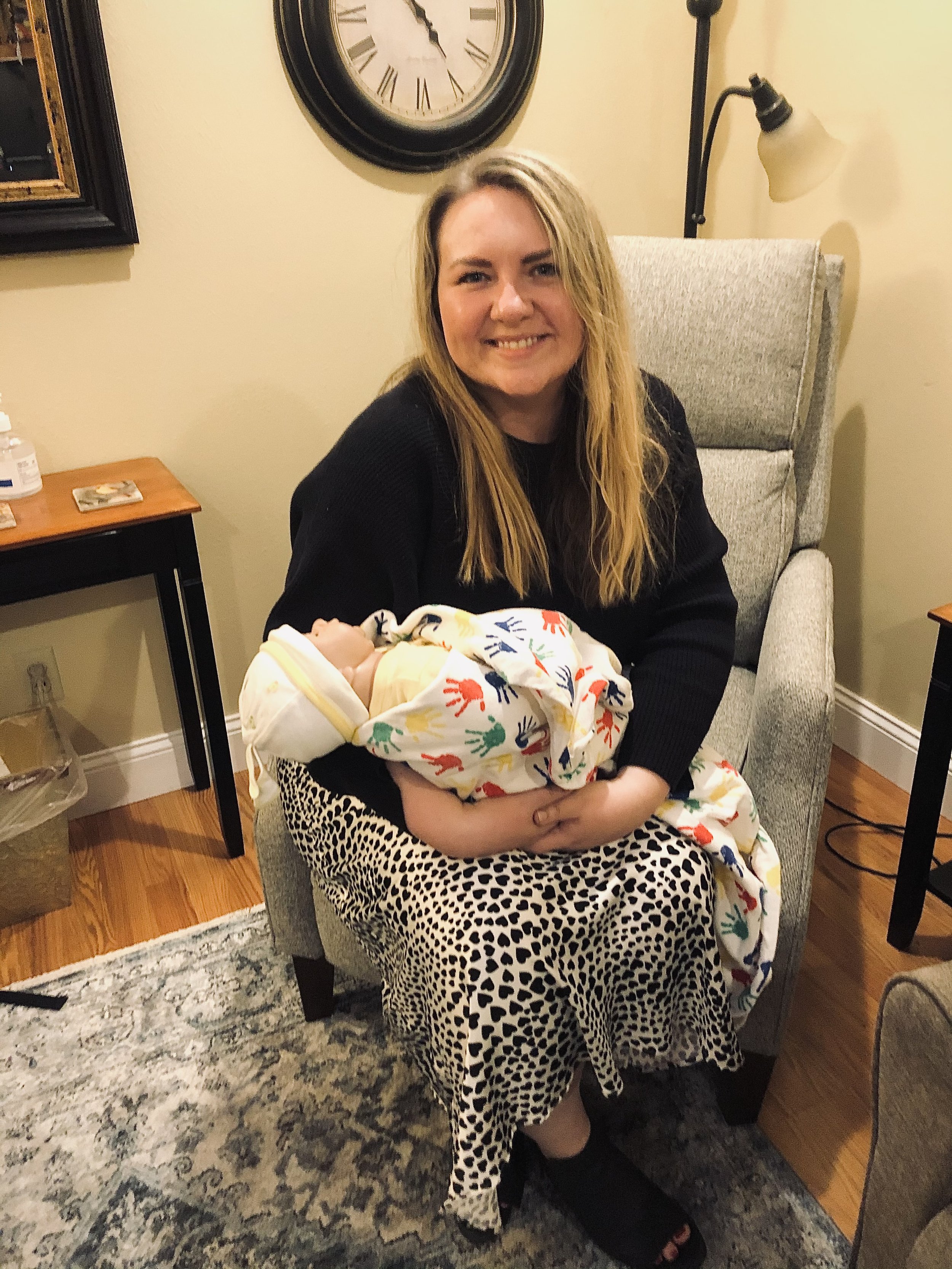
About Lifespan Integration
Healing doesn’t always require more analysis
LI works with the understanding that difficult experiences can continue to live in our nervous system long after the original events are over. Rather than only talking about what happened, we gently work with your personal timeline and the experiences that shaped your sense of yourself, others, and the world.
Many clients report feeling more grounded and able to manage stress, experiencing less emotional reactivity, and developing a greater sense of self-worth and connection. Some notice that memories that once felt overwhelming become easier to hold. Others experience changes in relationships, boundaries, confidence, and their ability to respond to life from the present rather than from old patterns.
The goal isn’t to erase your past. It’s to help your past stop controlling your present.
What can we work on together?
Lifespan Integration can be used to support healing around:
Traumatic experiences and PTSD
Childhood and developmental trauma, including preverbal trauma
Attachment and relationship difficulties
Grief and loss
Negative beliefs about yourself or the world
Chronic emotional patterns and stress responses
Experiences that continue to feel emotionally “stuck” even when you understand them intellectually
You don’t have to force yourself to relive everything that happened. We move at a pace that respects your nervous system and your capacity for healing.
If you’ve done a lot of talking and understanding but still feel that something hasn’t shifted, Lifespan Integration may offer another path forward - one that helps your mind, body, emotions, and personal history come together in a more integrated way.
When talking about the past isn’t enough
Sometimes, you can understand your past very well and still find yourself reacting as though you’re living in it.
You may know where your anxiety comes from, understand your relationship patterns, or recognize that certain experiences shaped you and yet your body and emotions continue to respond as if the danger is still present. You may feel stuck in old patterns, overwhelmed by stress, disconnected from yourself, or unable to move forward despite all the insight you’ve gained.
Lifespan Integration offers a different way of working with these experiences.
I’m deeply passionate about Lifespan Integration (LI) because I’ve experienced its impact personally and have witnessed meaningful changes in my clients. My own experience with LI began during a Level 1 training, where therapists practiced the baseline protocol with one another. I remember coming home afterward and realizing that something that had always triggered a strong emotional response simply didn’t have the same power over me anymore.
The next day, I had an important insight that seemed to emerge naturally from the experience. I hadn’t spent hours analyzing it or trying to make it happen. Something inside me had shifted simply through being open to the process.
That experience changed the way I understood healing and I became a passionate advocate for Lifespan Integration.