Pleasure is medicine
A few months ago, my colleagues and I went to a trauma conference. I mostly attended seminars about using psychedelics in trauma treatment, while one of my colleagues was especially interested in learning more about treating sexual trauma.
After one of the seminars, she found me in the hallway, her face radiating an incredible kind of joy. I was confused. Knowing how heavy conversations about sexual violence can be, I couldn’t understand what had gotten her so excited.
“Katia, pleasure is medicine!” she exclaimed.
She couldn’t stop talking about the seminar. So, of course, as soon as I got home, I had to watch it. I needed to understand what gotten my colleague so lit up.
And I’m so glad I did. Because what I learned changed the way I want to live.
One of the most important thoughts I took away from that seminar is that trauma can steal pleasure from your life.
And the presenters weren’t talking only about sexual pleasure. They were talking about pleasure in the broadest sense – the ability to feel joy, curiosity, connection, playfulness, excitement, and aliveness.
If you’ve experienced a major traumatic event, you may have noticed how much you changed afterward. Sometimes there really can be a “before” and “after” – two different versions of the same person. The devastating consequences of trauma are well known – PTSD, dissociation, depression, anxiety, eating disorders, addiction, difficulties with attachment and relationships, and so much more. Trauma can make life feel smaller. It can pull you away from the person you were before the pain and from the life you might have imagined for yourself.
Through healing, something surprising can happen. People sometimes discover that parts of themselves they thought were gone are still there. The bubbly, playful, adventurous, creative self that was buried underneath survival begins to emerge again.
“Trauma stops aliveness, healing restores aliveness”. Another thought I wrote down form the seminar.
I haven’t stopped thinking about that.
Because perhaps healing isn’t only about reducing symptoms or learning to cope with what happened. Perhaps it’s also about becoming more alive again.
And pleasure can be part of that.
Research suggests that pleasure can build neural pathways that increase our capacity for joy, connection, and emotion regulation - such important aspects of life for those of us healing from trauma.
I will always remember the periods of my life when there was no room for pleasure. Maybe that’s why I now seek it so intentionally. And it’s not the most natural thing for me. Learning to make room for pleasure in adult life can be quite a practice for someone who grew up in a rather conservative and reserved environment. But I’m learning - to notice it, seek it, and let myself fully enjoy it.
This week I was present and experienced pleasure when I:
· stayed in bed a little longer, dreaming about everything that could go right
· danced and sang while cooking
· noticed the warmth of a hug
· held eye contact with someone I enjoy
Would you be willing to join me in adding a little more pleasure to your day?
Alongside all the work you’re doing to heal, you can also begin intentionally making room for more moments that feel good.
It doesn’t need to be anything significant or dramatic. All you need to do is be present and savor the moment. Practice paying full attention to the person in front of you, slow down to enjoy the sunset, notice how you feel when listening to your favorite song. Remember to play with it. There is no right or wrong way to feel alive.
Pleasure is not a luxury, but an essential part of being alive. Your birthright. Have fun playing.
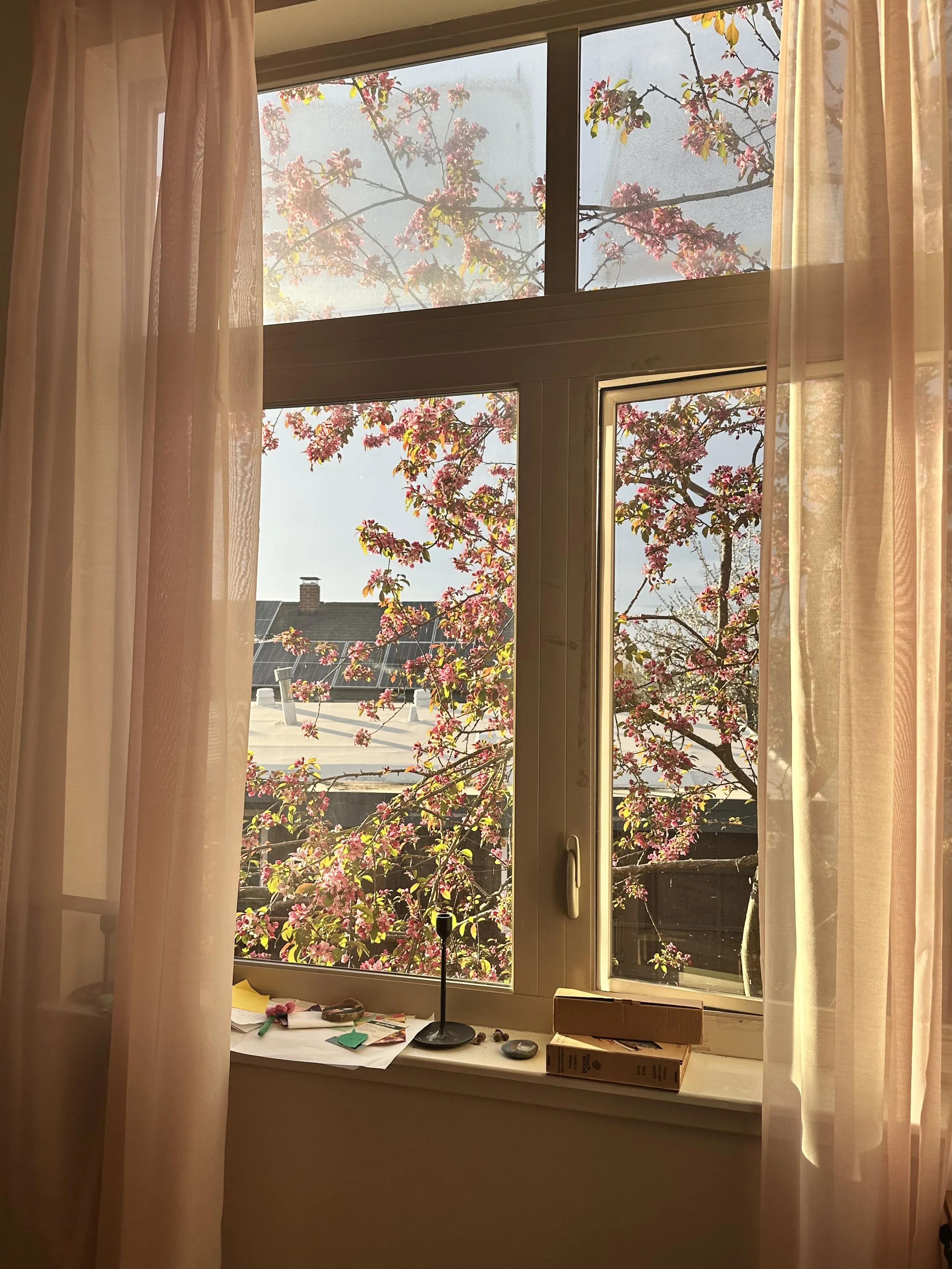
Window in my bedroom that brought me so much joy last spring